
The Emerald Gold: A Masterclass in Authentic Mexican Guacamole
“The Emerald Gold: A Masterclass in Authentic Mexican Guacamole” - by Top Taco Restaurant
Forget the watery, bland dips from a jar. If you want to experience true "Emerald Gold," you have to look at guacamole as the Aztecs did: a gift from the gods. Historically known as āhuacamolli, this preparation is a beautiful blend of Mesoamerican tradition and modern culinary science.
Whether you're prepping for a taquiza or just craving the perfect snack, here is your definitive guide to making authentic, professional-grade guacamole.
1. The Foundation: Selecting Your Avocado
You can’t make great guac with bad fruit. For the best texture, seek out the Hass variety. Its high lipid content (18-22%) creates that signature buttery emulsion that coats your palate.
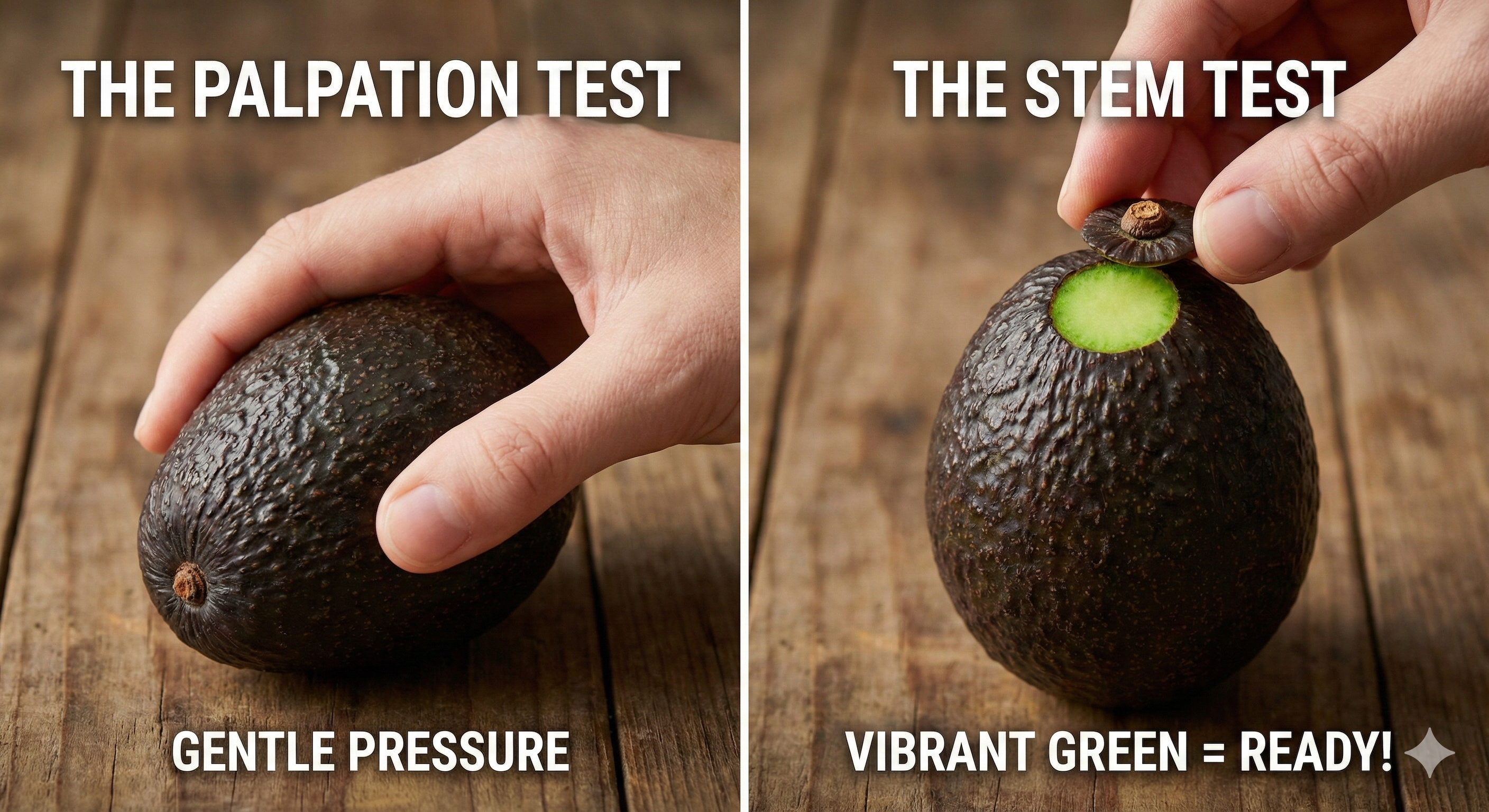
How to pick the "Perfect" one:
The Palpation Test: Hold the fruit in your palm and squeeze gently with uniform pressure. It should yield slightly. Avoid using fingertips, which cause internal bruising.
The Stem Test: Flick off the small stem cap at the top. If it's vibrant green underneath, you’re good to go. If it’s brown, it’s overripe.
2. The Secret Tool: The Molcajete
If you want to cook like a pro, ditch the blender. High-speed blades introduce too much air and heat, dulling the flavor and turning your guac into "baby food".
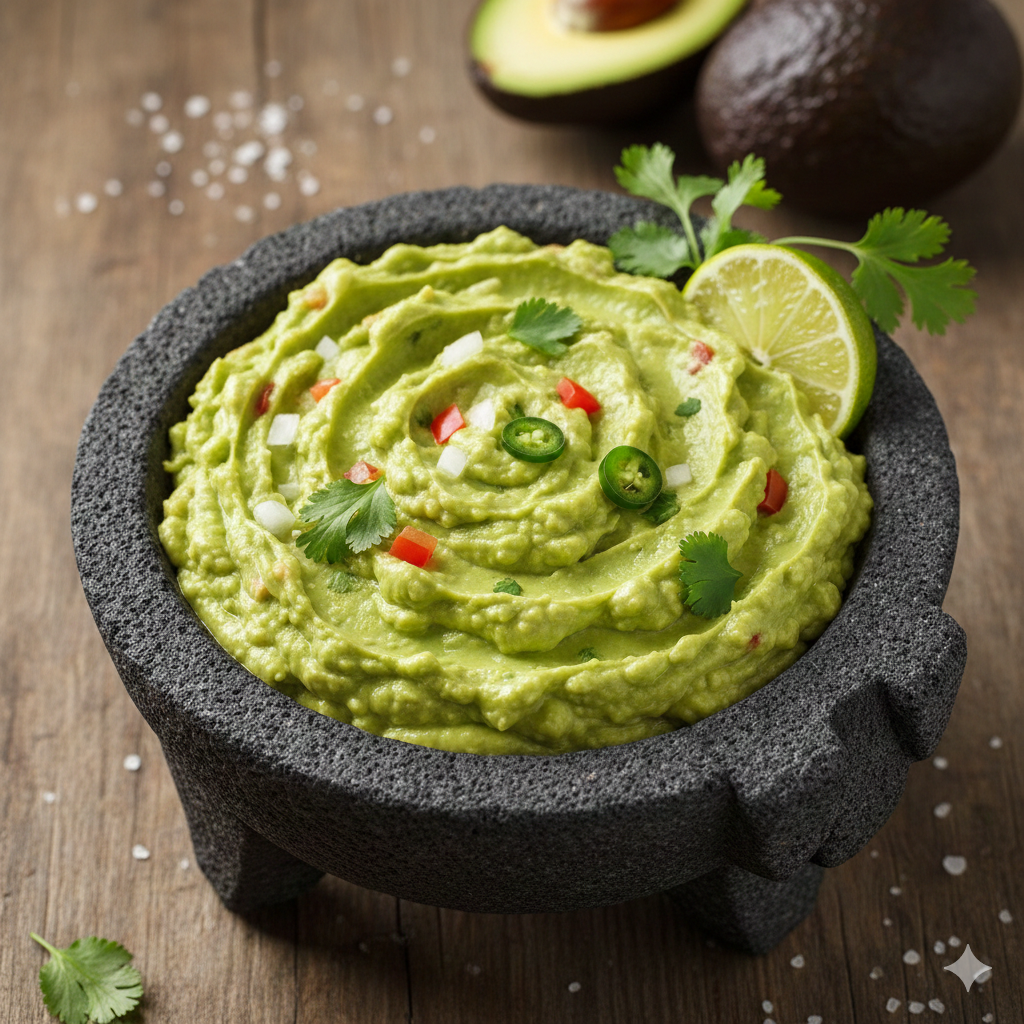
Authentic Mexican guacamole is made in a molcajete—a mortar and pestle carved from volcanic basalt. Its rough surface is designed to crush and grind, rupturing plant cells to release essential volatile oils that a knife simply can't reach.
3. The Professional Protocol
A truly authentic guacamole isn't just "mixed"; it’s built in phases.
Phase I: The Aromatic Paste
Before the avocado even enters the bowl, you must create the flavor foundation. Grind white onion, serrano chiles, cilantro, and coarse sea salt in your molcajete. The salt acts as an abrasive to break down the fibers into a dark green, aromatic paste.
Phase II: The "Martajada" Texture
Scoop in your avocado and crush it with a fork or the tejolote (pestle) until it is mostly creamy but still has small, rustic lumps. This "chunky-creamy" style is known as martajada. Add lime juice now to brighten the flavor and start protecting against browning.
Phase III: Final Folding
If you use tomatoes, fold them in gently at the very end. Never grind them, or their high water content will make your guacamole soupy.
4. Beating the "Brown" (Science vs. Myth)
Don't bother leaving the pit in the bowl—science has debunked this as a myth; it only protects the tiny spot it physically touches. To keep your guac green, you must block out oxygen.
The Best Preservation Methods:
Plastic Wrap | Press it directly onto the surface so there are zero air pockets.
Citrus Juice | Lowers the pH to inhibit the enzymes that cause browning.
Water Layer | A thin layer of water on top acts as a physical barrier before sealing.
5. Regional Twist: The Veracruz Style
If you want something lighter, try the Veracruzano influence. In the Gulf Coast, they often prepare a salsa de aguacate—a pourable, liquid guacamole blended with water and lime juice. It’s the perfect accompaniment for seafood like shrimp tacos or marlin empanadas.